

Building Robots Is Only the Beginning
Kilobots combines student engineering with communication, creativity, outreach, and competition — one 1 kg robot at a time.
The Big Idea
Every Kilobots robot is built to a 1 kilogram weight limit. That simple rule is what makes the competition accessible — small enough to design, print, and build without an industrial shop, but demanding enough to require real engineering: weight distribution, weapon design, drivetrain choices, and durability under fire.
The format keeps the barrier to entry low and the ceiling for creativity high, so any team willing to put in the work can build something competitive.
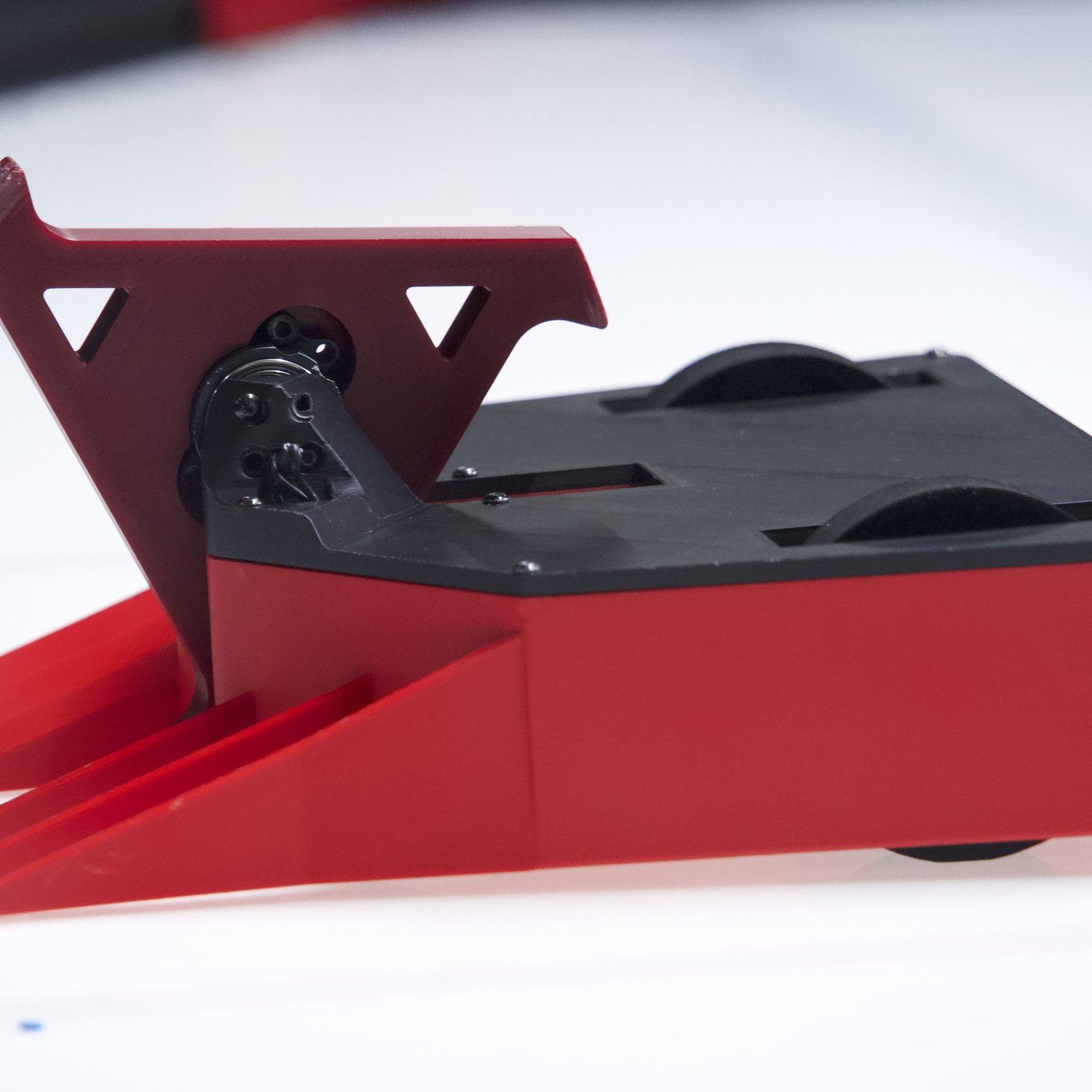
Why 3D Printing?
3D printing is at the heart of Kilobots, and not just because it’s a convenient way to make parts. It’s what makes the whole competition possible for teams who’ve never built a robot before.
A 3D printer turns a laptop and an idea into a real part in a few hours, with no machine shop, welding equipment, or years of fabrication experience required. That means a team can design a piece, print it, test it on their robot, and reprint an improved version — sometimes more than once in a single build session. It puts the entire design-test-improve loop directly in students’ hands, and it keeps the door open to teams who are building on a real budget.
That’s the whole idea behind Kilobots: creativity backed by real engineering, learned by actually making things.
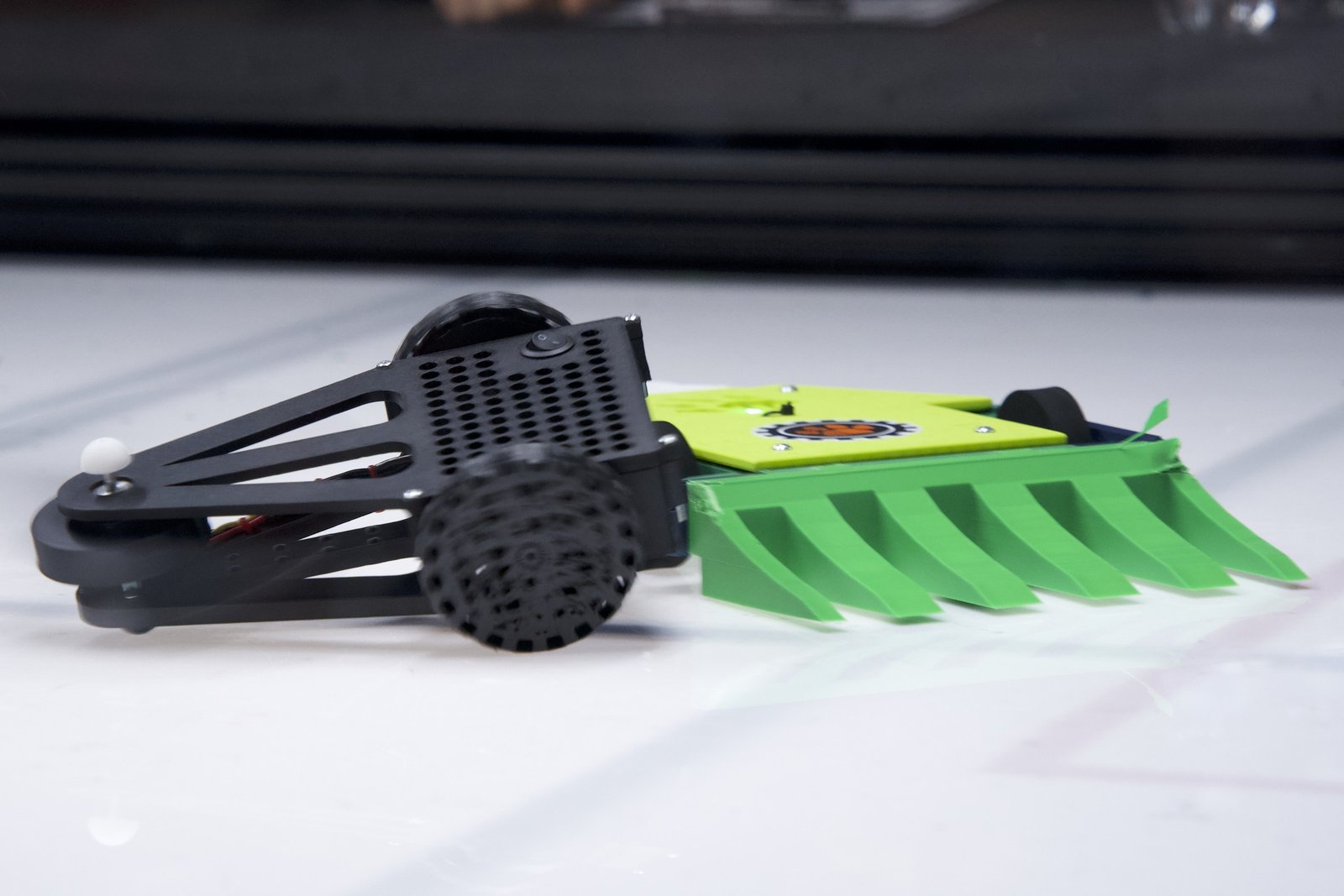
Building More Than Robots
Students don’t just learn how to build machines. They learn how to:
Work as a Team
Coordinate roles, deadlines, and decisions with teammates.
Communicate Ideas
Explain engineering choices clearly to teammates and judges.
Explain Engineering
Break down technical work for people outside the team.
Present Their Work
Show up ready to demo and defend their design.
Design Exhibits
Build a booth that tells their team’s story.
Create Videos
Tell their team’s story on camera.
Interact With the Community
Talk with visitors, judges, and other teams.
Handle Failure & Iteration
Troubleshoot, rebuild, and try again.
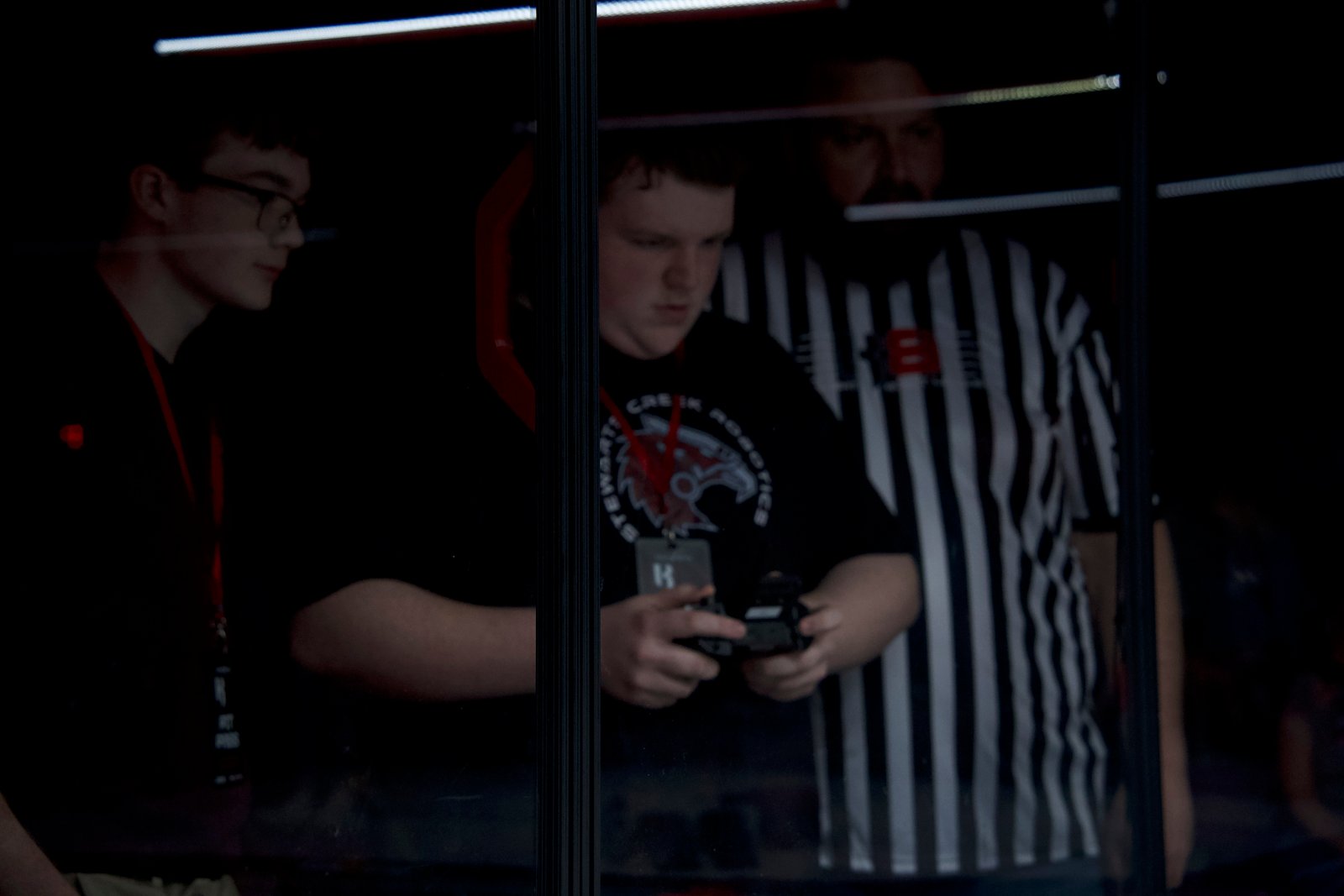
Every member of a Kilobots team brings unique skills and perspectives to the challenge. From engineering and design to video production and team communication, students discover that building a competitive robot takes a diverse team working in sync — just like in any real engineering environment.

Meet the founder
Kilobots operates under STEMWISE, the Tennessee-based organization founded by Kevin Welch to give students more hands-on opportunities to explore STEM — through summer camps, classroom resources, and competitions like this one.
Kilobots was built by a STEM teacher with 10 years of experience competing in robotics — the whole competition is designed around real student experiences in robotics and STEM education, not a generic curriculum.
Learn More About STEMwiseBuild it. Explain it. Show it. Share it. Battle it.
Ready to Build Your Bot?
See how the competition works and what it takes to compete.